Farm Policy
The Farm Bill Is Expiring. Your Beef Label Is on the Line.
The farm bill extension expires September 30 — and the Senate's new bill includes mandatory country-of-origin beef labeling for the first time in over a decade.
By James · 3 min read · September 30, 2026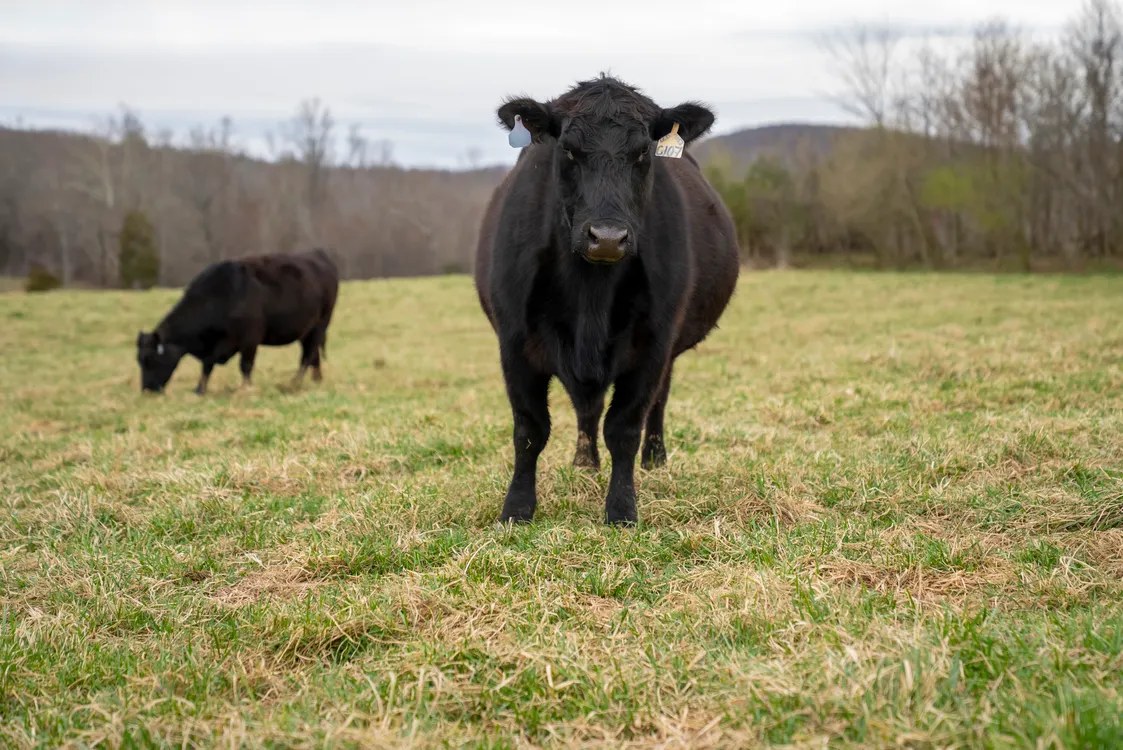
Tomorrow — September 30 — the extension keeping America's farm bill alive runs out. Two weeks ago, the Senate agriculture committee finally advanced a new five-year bill, the Agricultural Act of 2026, on a 12-11 party-line vote. Tucked inside it is a label shoppers haven't seen in over a decade: one that tells you where your beef comes from.
What the label would say
Mandatory country-of-origin labeling — MCOOL — would require retailers to list where the animal was born, raised, and slaughtered. Congress first required it in the 2002 farm bill. For beef, it was repealed in 2015 after the World Trade Organization ruled the U.S. system discriminated against Canadian and Mexican livestock, opening the door to retaliatory tariffs. Since then, the package tells you nothing about where your beef lived its life.
How it got back in
In August, the committee adopted an amendment from Senate Majority Leader John Thune incorporating the American Beef Labeling Act. The vote was 17-6 and bipartisan — every Democrat plus six Republicans. It doesn't restore the old system outright. Instead it directs the U.S. Trade Representative, working with USDA, to design a labeling system that complies with WTO rules.
Ranchers' groups — R-CALF USA and the U.S. Cattlemen's Association — say shoppers deserve to know and American producers deserve to differentiate their beef. The National Cattlemen's Beef Association and the Meat Institute oppose it, warning that tracking and compliance costs will land in higher beef prices.
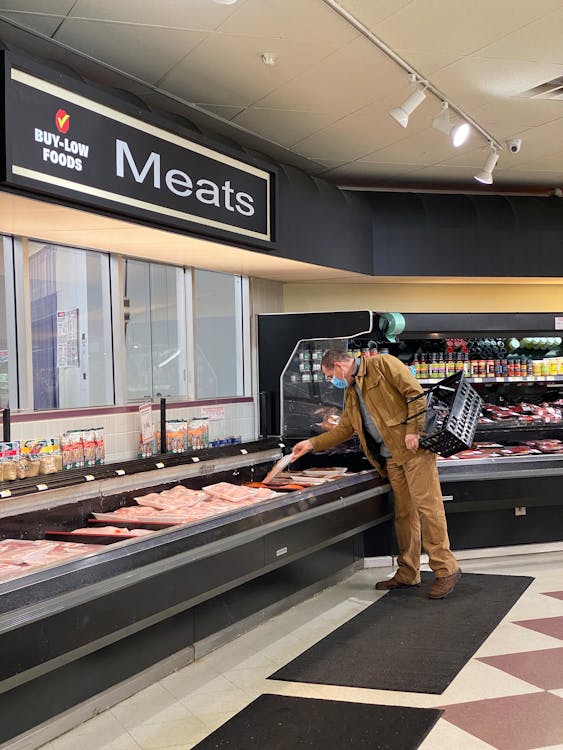
A shopper selecting meat in a grocery store's refrigerated section. · Credit: Illustrative image — Photo by Cindy Amimer / Pexels
Why tomorrow changes little
The bill cleared committee because Mitch McConnell returned from a three-month health absence to cast the deciding 12th Republican vote. The hard fights are untouched: Democrats are still pressing on SNAP cost-sharing, Iowa's senators were blocked from offering a Proposition 12 amendment, and the House version contains no MCOOL provision at all.
Chairman John Boozman has signaled the floor vote comes after the November elections. A farm bill needs 60 Senate votes. With the extension expiring tomorrow, Congress will almost certainly pass another short-term extension while the chambers negotiate.
What it means at the meat case
If MCOOL survives conference, the next farm bill puts origin back on the package — the first real change to beef labeling in a decade. If the industry's warnings are right, the tracking costs show up in the price per pound. Either way, the current label gives you neither information nor a lower price.
The farm bill is often described as legislation for farmers. This provision is for the person pushing the cart. Sixty senators will decide after the midterms whether you get to know where your beef comes from. That's the window to tell them it matters to you.
Join the movement → https://bluedotfarms.com/join
Sources
Take the next step
Recommend a producer →