Who Owns the Land
Who Owns the Land That American Farmers Work?
Big landowners hold different kinds of acreage, but farmers’ access to the ground they work depends on ownership, prices, and lease terms.
By Osiris · 4 min read · September 29, 2026
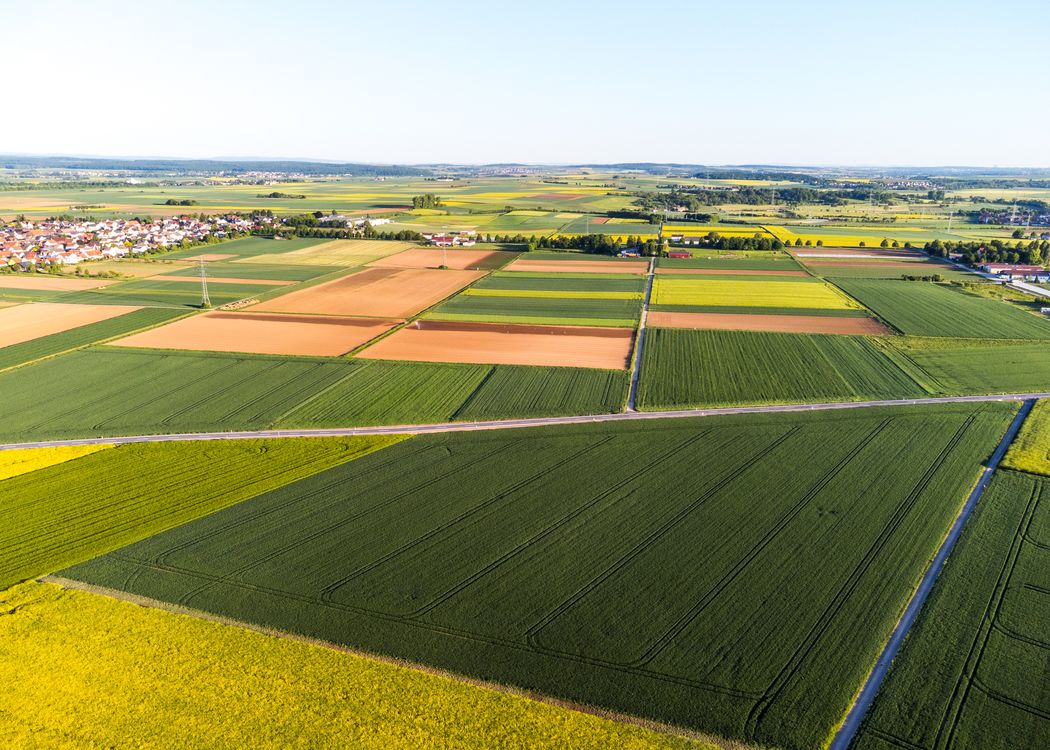
A farmer can work the same ground for years without owning it. They may buy seed, maintain equipment, and plan for the next season while someone else decides whether the lease continues. That is why farmland ownership matters. The names that draw attention—Bill Gates, Jeff Bezos, LDS land companies, and foreign investors—hold different kinds of land. The question for local farmers is who controls the ground they need and how secure their access is.
The Bezos claim gets the land wrong
A video making the rounds says Jeff Bezos is buying U.S. farmland and leasing it back to farmers. The Land Report estimates that he holds about 462,000 acres, mostly ranchland in Far West Texas around Blue Origin’s launch site. It says he does not own productive farmland. His acreage is substantial, but the record does not support the claim that it is a portfolio of crop farms rented back to growers.
Gates owns working farmland
The Land Report identifies Bill Gates as the largest private owner of U.S. farmland. It estimates about 242,000 farmland acres in a larger portfolio of about 275,000 total acres. Those numbers describe different things. The farmland is overseen through investment and farm-management companies; Gates does not farm it himself.
A farmer can still produce food on investor-owned land. But ownership matters when that farmer wants to buy, renew a lease, or make improvements that take years to pay off. The owner has a say in those decisions even when the farmer does the daily work.
LDS land companies own and operate farms
AgReserves says it invests in and operates agricultural assets for The Church of Jesus Christ of Latter-day Saints (LDS Church). In 2024, Farmland Reserve, another LDS land company, bought 46 farms totaling 41,554 acres from Farmland Partners. The seller reported a $289 million sale.
That transaction shows how a single purchase can move many working farms under one owner. It does not tell us that tenants lost their land or that local buyers were outbid. For a farmer who rents one of those farms, the terms of the lease and the chance to renew matter more than the owner's name alone. A short or uncertain lease can make it harder to plan equipment purchases or invest in the soil.
What foreign ownership—and China—actually mean
USDA reports that foreign persons held an interest in more than 46 million acres of U.S. agricultural land at the end of 2024. That was 3.6 percent of privately held agricultural land. The federal category includes forestland and pasture as well as cropland, and a reported interest does not always mean outright ownership.
China deserves a direct answer. USDA says Chinese primary-investor filers reported 247,659 acres at the end of 2024, less than 1 percent of all reported foreign-held acres. In Texas, long-term leases tied to wind-energy projects account for much of the Chinese-linked acreage. USDA warns that its country totals can miss interests held through complex, multi-country ownership structures, so this figure is a reported minimum. It does not support treating all foreign-held land as Chinese-owned food farms.
Foreign holders must disclose qualifying interests to USDA. Gates, Bezos, and the U.S. LDS land companies are separate domestic examples; their acreage cannot be added to the foreign total.
Land access is the issue for farmers
USDA says just over 60 percent of land in farms was owner-operated in the 2022 Census of Agriculture. Renting can help a farmer get started without paying the full purchase price. It also means someone else can decide whether they keep farming that ground.
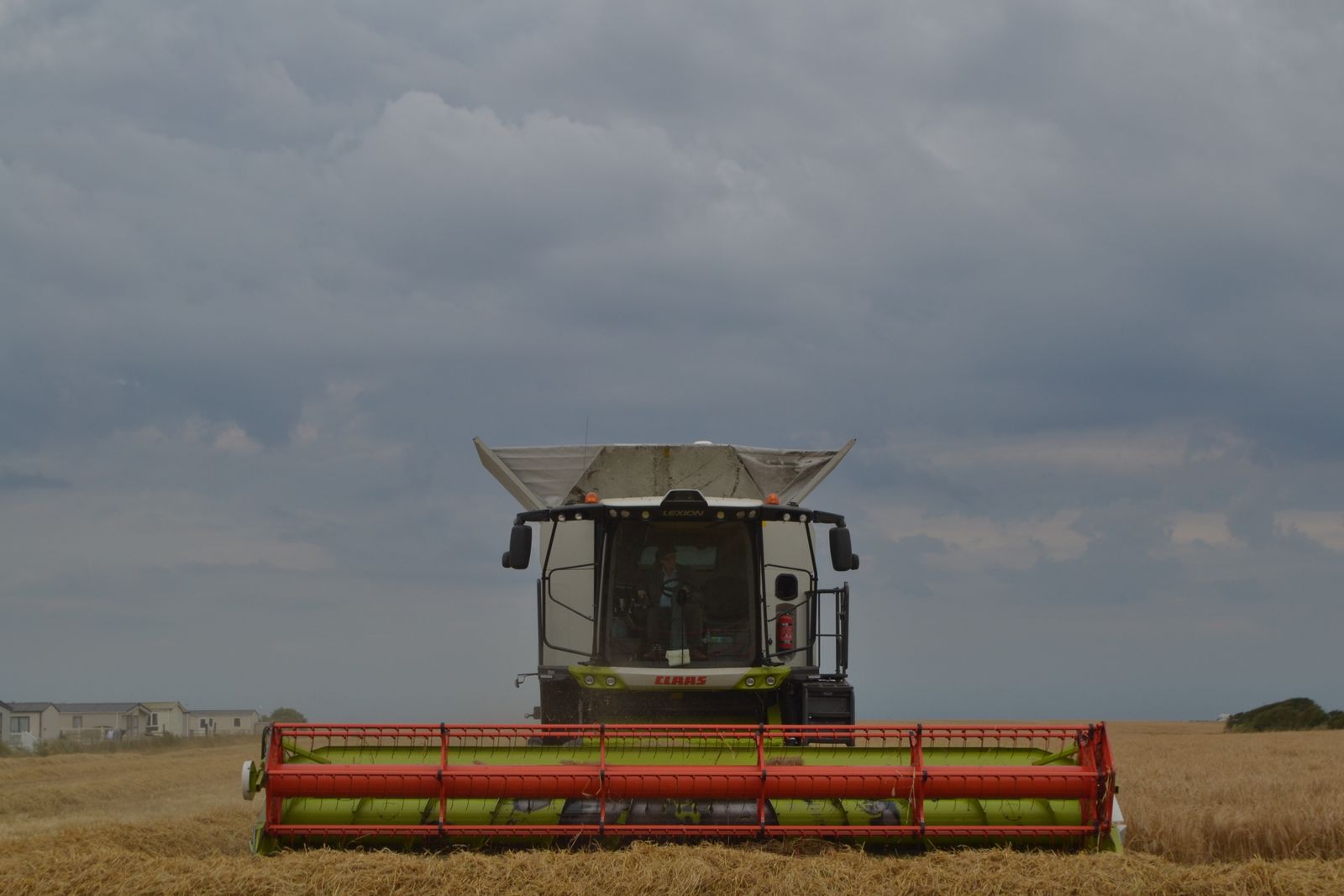
USDA estimates average U.S. farm real estate value at $4,500 per acre in 2026, with large differences by region. Its researchers identify concentrated ownership, competing uses for land, and limited financial resources as possible barriers for beginning farmers. These figures do not prove that any named buyer raised the price of a particular local farm. They do show why access cannot be measured by national acreage alone.
Blue Dot Farms believes people should be able to trace who controls agricultural land, including land held through domestic companies, and understand whether working farmers have a fair chance to stay on it. Start with a farmer you buy from: ask whether they own or lease their ground, and what would make their access more secure.
Take the next step
Find a local producer →