Know Your Food
The Label Says Grass-Fed. What Does That Actually Guarantee?
The USDA erased its grass-fed standard a decade ago, “grass-finished” is the word that does the real work, and “regenerative” has no legal definition at all — a field guide to the meat-aisle claims.
By Kim · 5 min read · September 27, 2026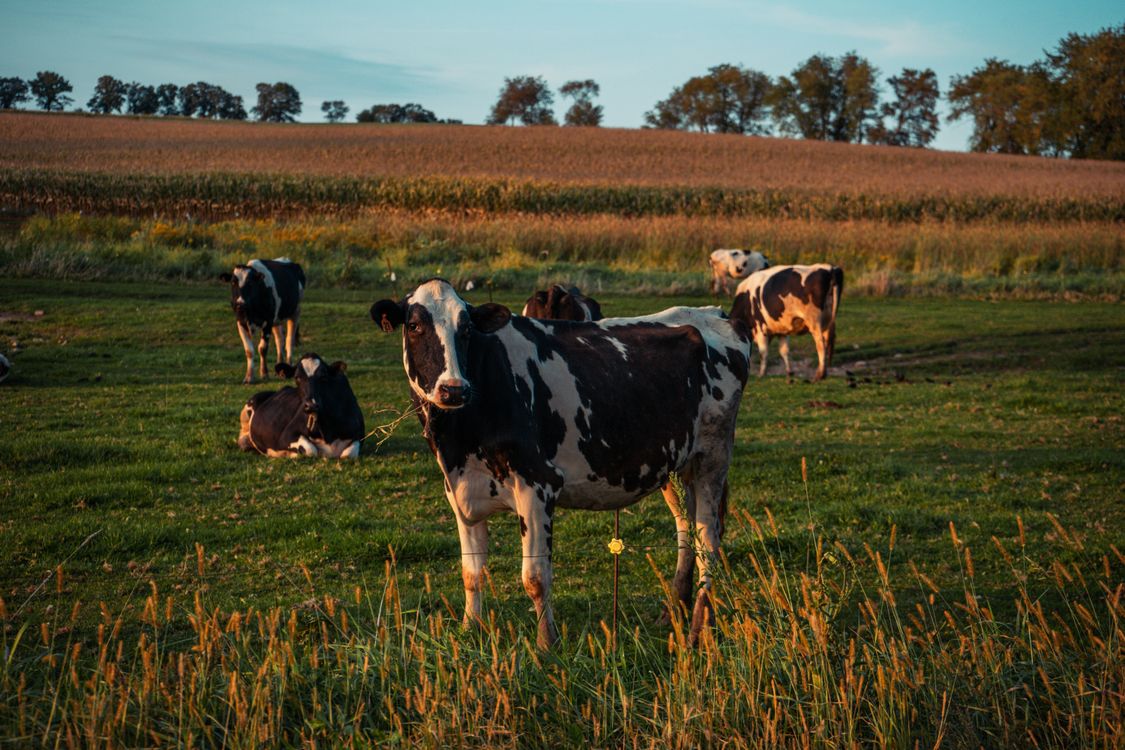
Scroll for five minutes and you'll find the videos. Creators in butcher aprons holding up two steaks, explaining why one says grass-fed and the other says grass-finished — and why that one word is worth the extra dollars. Others argue over fat color, holding yellow fat to the camera like evidence.
If you've stood in the meat aisle staring at a package that says grass-fed and wondered what you're actually buying, you're not confused. The label is.
The Standard That Vanished
There used to be an answer. In 2006, after four years of work with farm and consumer groups, the USDA finalized a grass-fed standard: after weaning, 99 percent of what the animal ate had to be grass, forbs, or forage, with continuous access to pasture during the growing season. A clear line. A shield, supporters said, against grain-fed beef wearing a grass-fed costume.
Ten years later, the USDA erased it. In January 2016, the Agricultural Marketing Service withdrew the Grass (Forage) Fed Marketing Claim Standard in the Federal Register, arguing it didn't "facilitate the marketing of agricultural products in a manner that is useful to stakeholders or consumers" — in part because a different USDA agency, the Food Safety and Inspection Service, approves actual meat labels, and there was no guarantee the two agencies would agree.
"Meat labeling just became even more confusing for farmers and consumers," said Ferd Hoefner of the National Sustainable Agriculture Coalition at the time. "Actions such as this take us into a Wild West situation, where anything goes and both farmers and consumers lose."
He was right. Welcome to the Wild West.
One Word, Different Animal
Here's what the creators are trying to tell you. Every calf is born on grass — mother's milk, then pasture. That's just how cattle start. "Grass-fed" on a package, with no USDA definition behind it, doesn't have to mean much more than that beginning. A steer can graze for its first year, then spend its final months in a feedlot on a grain-heavy diet to fatten fast — and the label can still say grass-fed. Technically true. Practically misleading.
"Grass-finished" is the word that does the work. It means the animal ate grass and forage its entire life — no feedlot, no grain, from weaning to harvest. All grass-finished beef is grass-fed. One direct-market producer puts it bluntly: most grass-fed beef sold in American grocery stores is grain-finished.
And the label can get even thinner. FSIS allows percentage claims — "80% grass-fed" is a real label, meaning the rest can be things like dried distillers grains. If the package doesn't say 100%, or grass-finished, the safer assumption is grain-finished.
The Honor System
To be fair, FSIS doesn't let just anyone print the words. A company must submit documentation: a written description of the controls ensuring the claim holds from birth to harvest, a signed and dated document describing the animals' diet, a tracing and segregation plan from slaughter to package, and a system for handling nonconforming animals.
Then comes the catch. As FSIS itself confirmed when the standard was withdrawn: no auditing is done. There is no follow-up to police whether anyone actually adheres to the claims they submitted. The paperwork is reviewed once, at the label application. After that, it's the honor system.
An honor system, for a premium label, in a market where the premium is the whole point.
The Import in the "American" Package
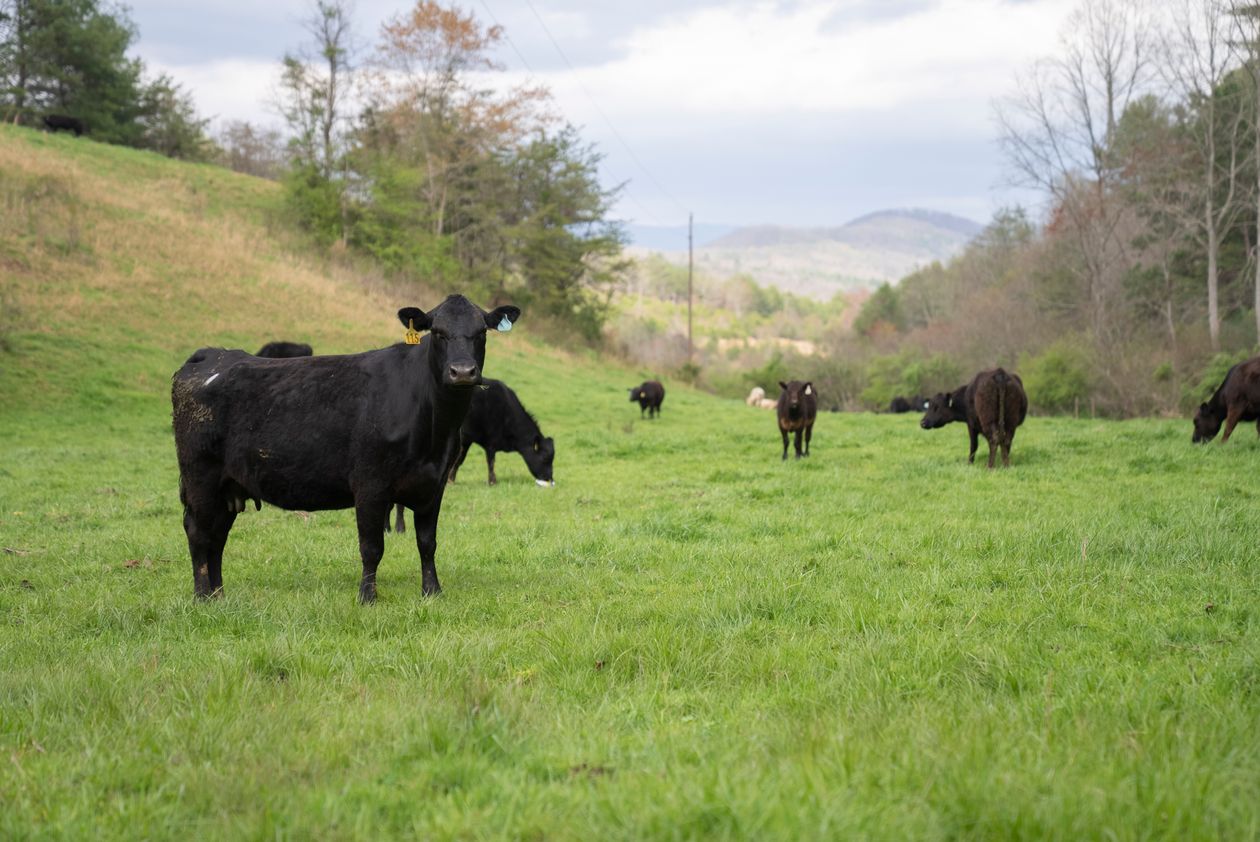
Now the part nobody puts on the front of the package. Most of the grass-fed beef sold in the United States wasn't raised here at all. Regenerative rancher Will Harris — whose White Oak Pastures was among the first American grass-fed beef brands — estimates more than 85 percent of it is imported, mostly from Australia, New Zealand, and Uruguay, where cattle can graze year-round and production costs far less. No federal agency officially tracks the share, which is itself part of the problem.
For years, that imported beef could legally wear a "Product of USA" label, because slicing, grinding, and packaging it here counted as adding enough value. That changed this year: a rule finalized in March 2024, with compliance required starting January 1, 2026, now reserves "Product of USA" for meat from animals born, raised, slaughtered, and processed in the United States.
Read that again. Until nine months ago, "Product of USA" on your grass-fed beef could mean the animal never set hoof in the USA.
The Word That Means Everything
And then there's "regenerative" — the buzziest word in the meat aisle and the emptiest. There is no federal definition. Not from USDA, not from FDA. A June 2026 Consumer Reports survey found about one in four shoppers recognizes the term, up from fewer than one in five three years ago. Meanwhile, one of the largest private regenerative certifications doesn't even require farmers to cut chemical fertilizer or pesticide use. California became the first state to officially define the term. The federal government still hasn't.
A word that can mean anything guarantees very little.
Ask the Farmer
Blue Dot Farms was built on a plain observation: it's easier to trust a person than a package.
A grass-fed label is a promise made by a supply chain you'll never meet, backed by paperwork nobody re-checks, under definitions that in some cases don't exist. A farmer at a farm stand or farmers market is someone standing in front of you. Buying from them gives you something the label can't: a straight answer to "how was this animal raised, and where?" — and more of your dollar going to the person who raised it.
So here's one thing you can do this week: the next time you buy beef, ask the seller how the animal was raised. If they can tell you, you've found something better than a label. If they can't, you've learned something too.
Sources
Take the next step
Join the movement →